HIRING- Pepin County 4-H Program Educator
This will be an UW-Madison Extension position based out of Pepin County. A 70% -100 % employee. We are looking for a 4-H educator with a secondary affiliation in Community Youth Development.
Read More...
This will be an UW-Madison Extension position based out of Pepin County. A 70% -100 % employee. We are looking for a 4-H educator with a secondary affiliation in Community Youth Development.
Read More...
Stay up to date with Pepin County 4-H events and activities with our newsletter the Pepin Pacer .
Read More...
From Syngenta, a manufacturer of the herbicide paraquat: As part of the paraquat label, those who use any product with the active ingredient paraquat must not only be certified, but must go through industry training. Syngenta is offering 8 webinar training sessions, please see flyer below.
Read More...
These free online gardening programs typically consist of a presentation, followed by time for live Q&A with the presenter. There is no cost to attend, but registration is required. If you can’t attend during the scheduled time slot, we will send the recorded version shortly after. This series is open to the public and is […]
Read More...
The UW-Madison Extension Community Food Systems Program will provide no-cost 5-part virtual workshop series for small-scale food and farming business start-ups during Mondays in April, from April 1st to April 29th at 2:00 pm – 3:00 pm. Learn tips for running and growing a successful food business from specialists and entrepreneurs! This no-cost series of online […]
Read More...
The UW-Madison Division of Extension’s Agriculture Water Quality Program hosted a biweekly webinarseries in early 2024 on important factors impacting ground and surface water quality. Thesewebinars are now available to watch at the viewer’s convenience. Each webinar is an hour long andavailable at https://agwater.extension.wisc.edu/webinars/. More information can be obtained bycontacting Daniel Zerr, Extension Regional Natural […]
Read More...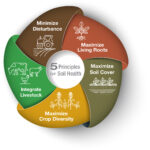
This training was developed by DATCP in partnership with the UW-Nutrient and Pest Management Program, with support from the USDA-Natural Resources Conservation Service. The primary audiences for this training are Wisconsin farmers and those working in faming and conservation. Community members may also find it useful and informative. The purpose of this curriculum is to develop a common definition and […]
Read More...
Come join us on March 12, at Club 10, for a discussion on cover crop value and carbon markets.
Read More...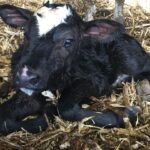
It’s that time of year again! The Buffalo County Farm Bureau Calf Grant program is accepting applications. The grant is open to Buffalo and Pepin County 4H and FFA members between the ages of 11 and 16. The grant offers $300 towards the purchase of a dairy heifer calf for the member to show. Applications […]
Read More...
If you have experienced loss of a loved one or other significant loss, consider joining us for this confidential healing experience.
Read More...